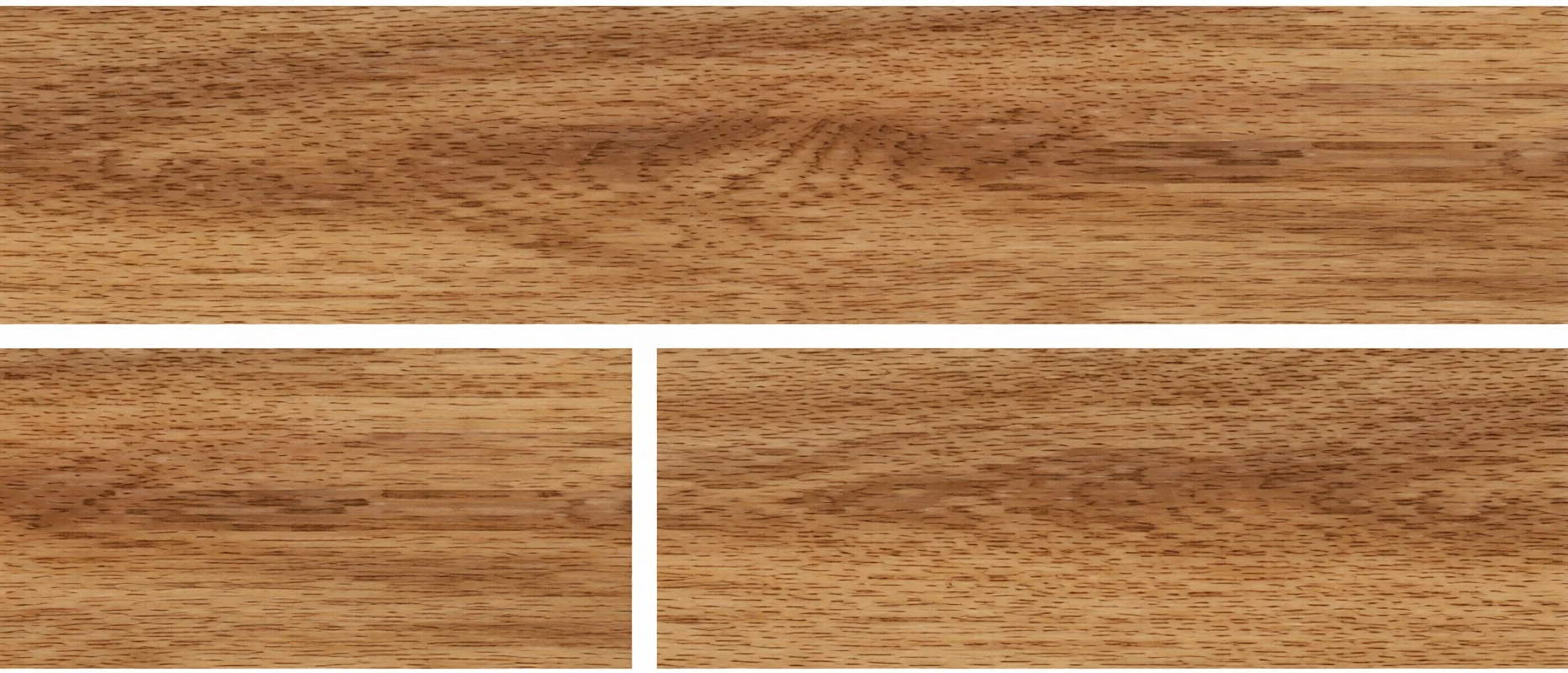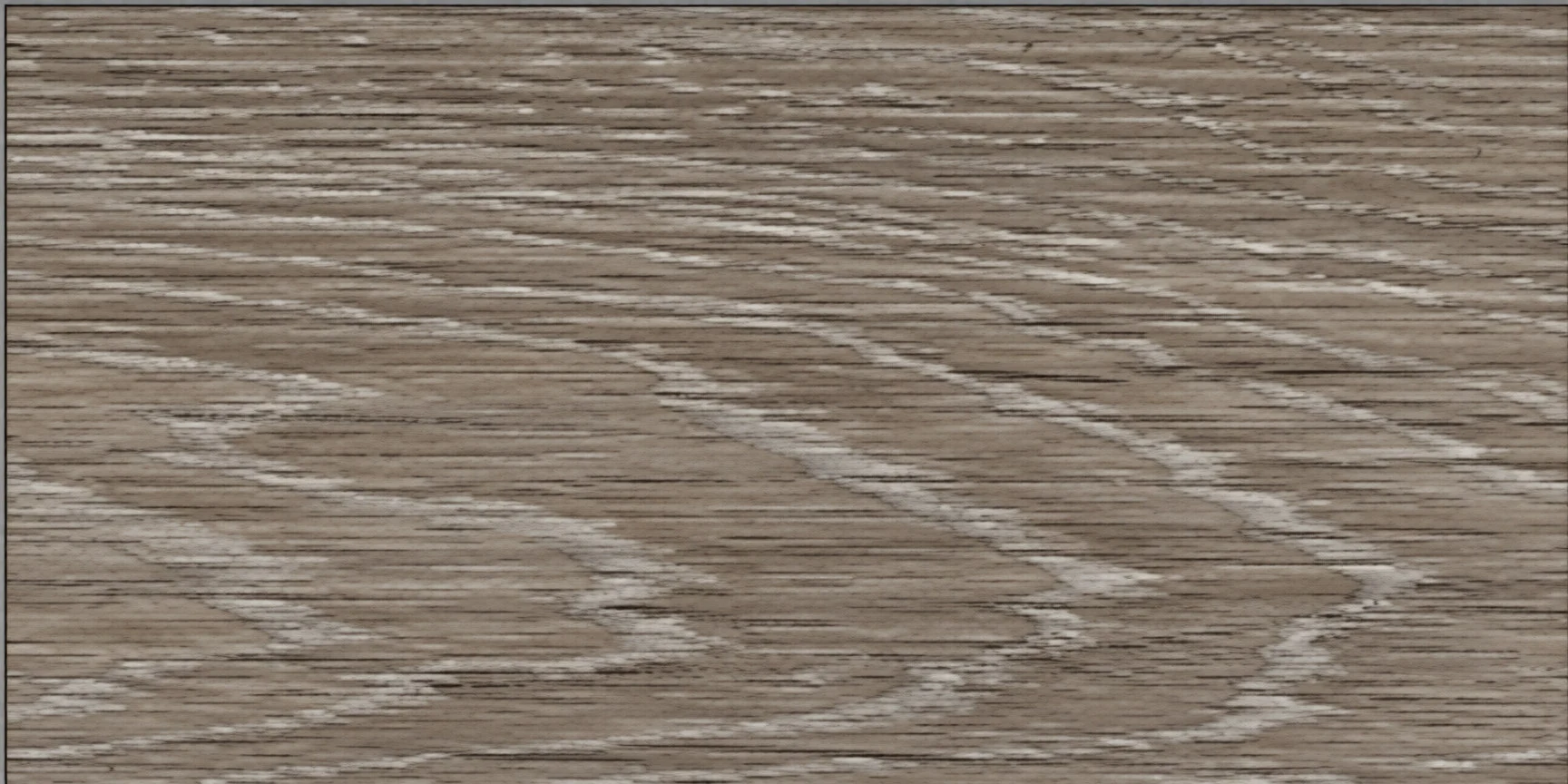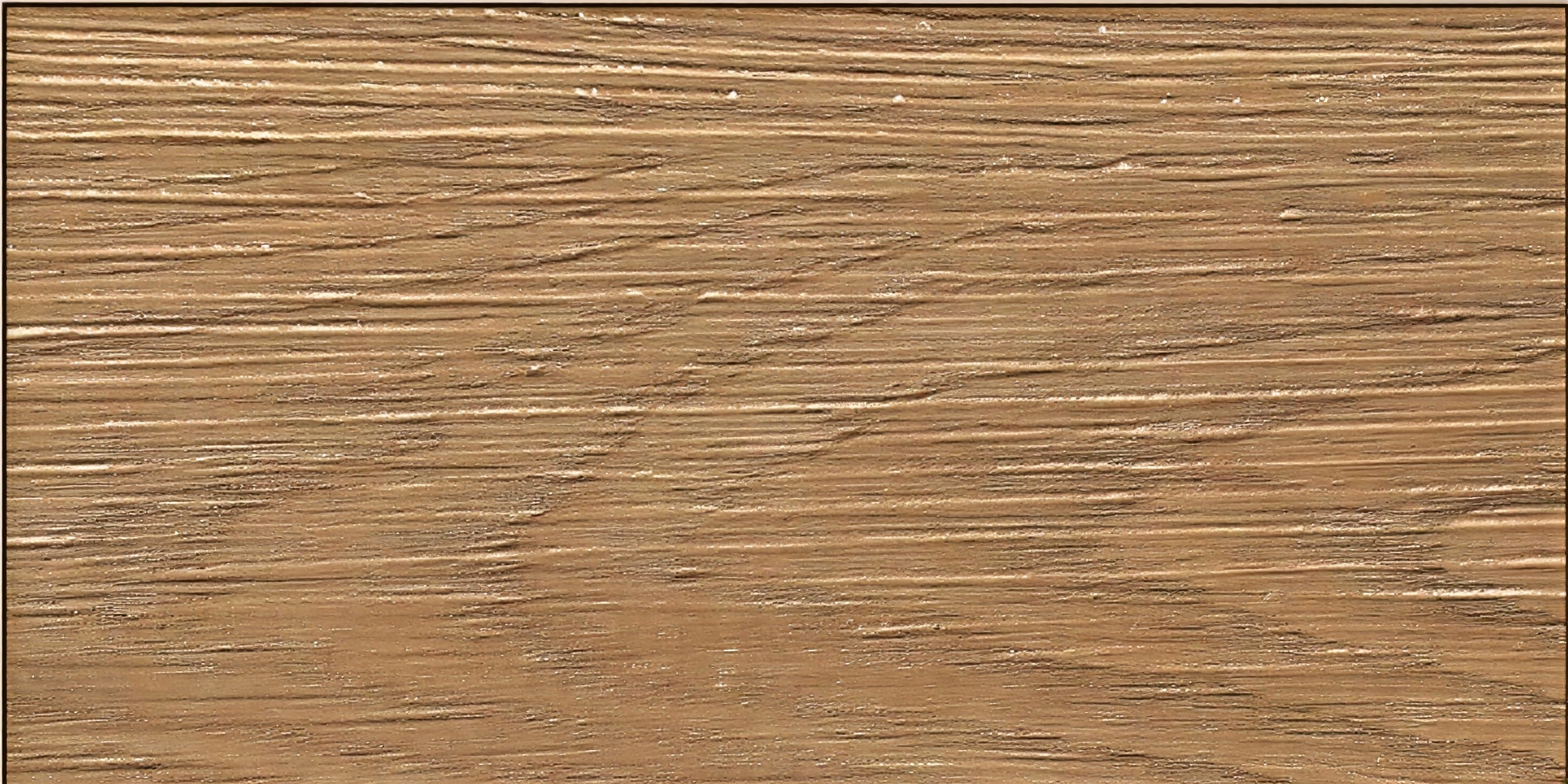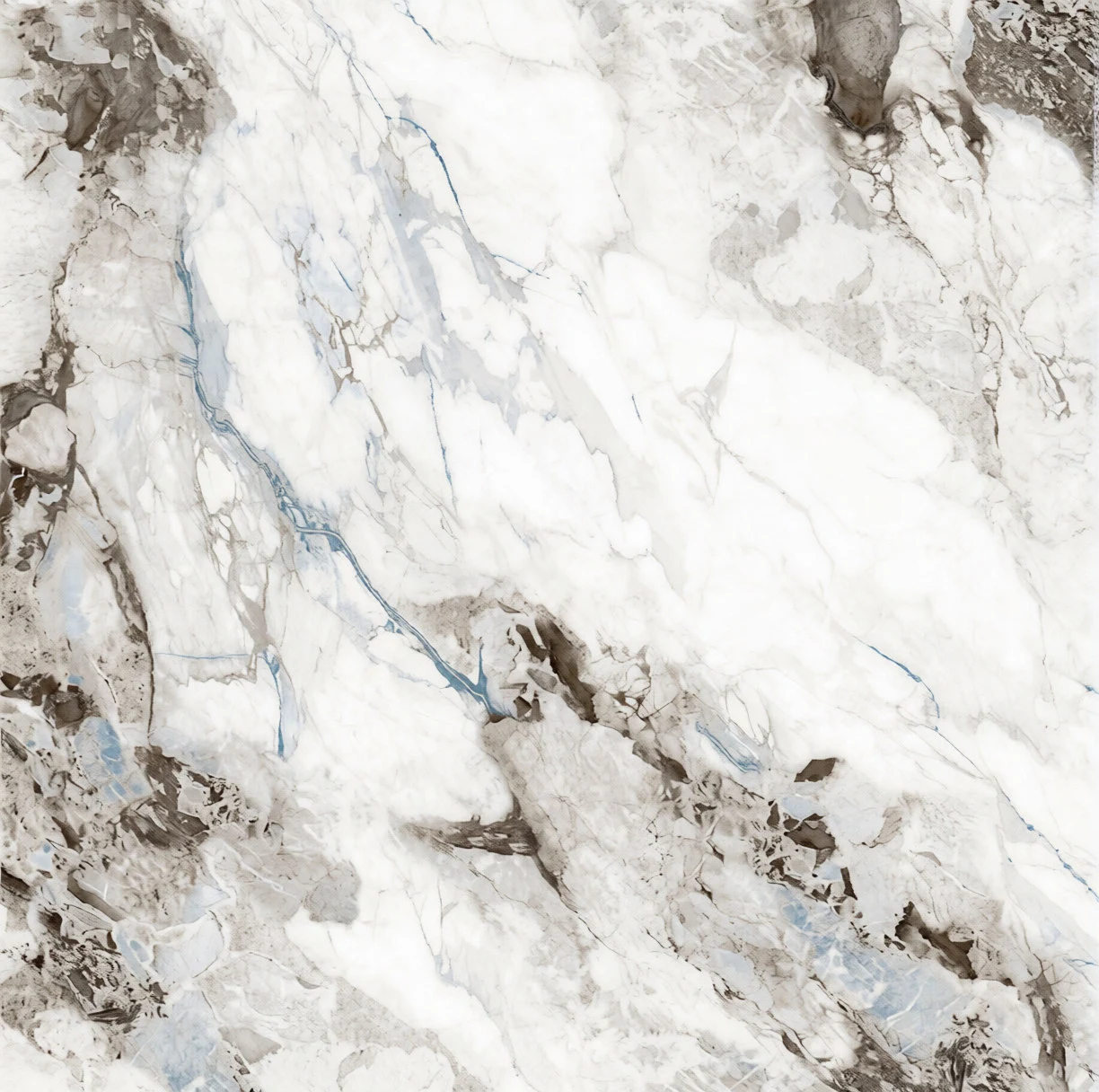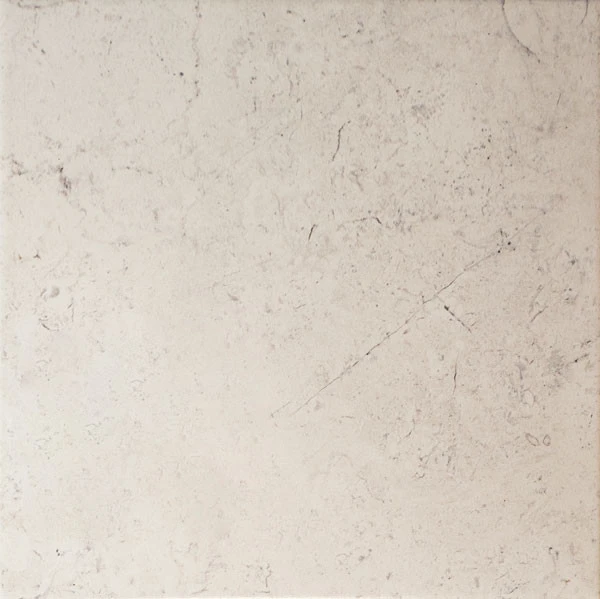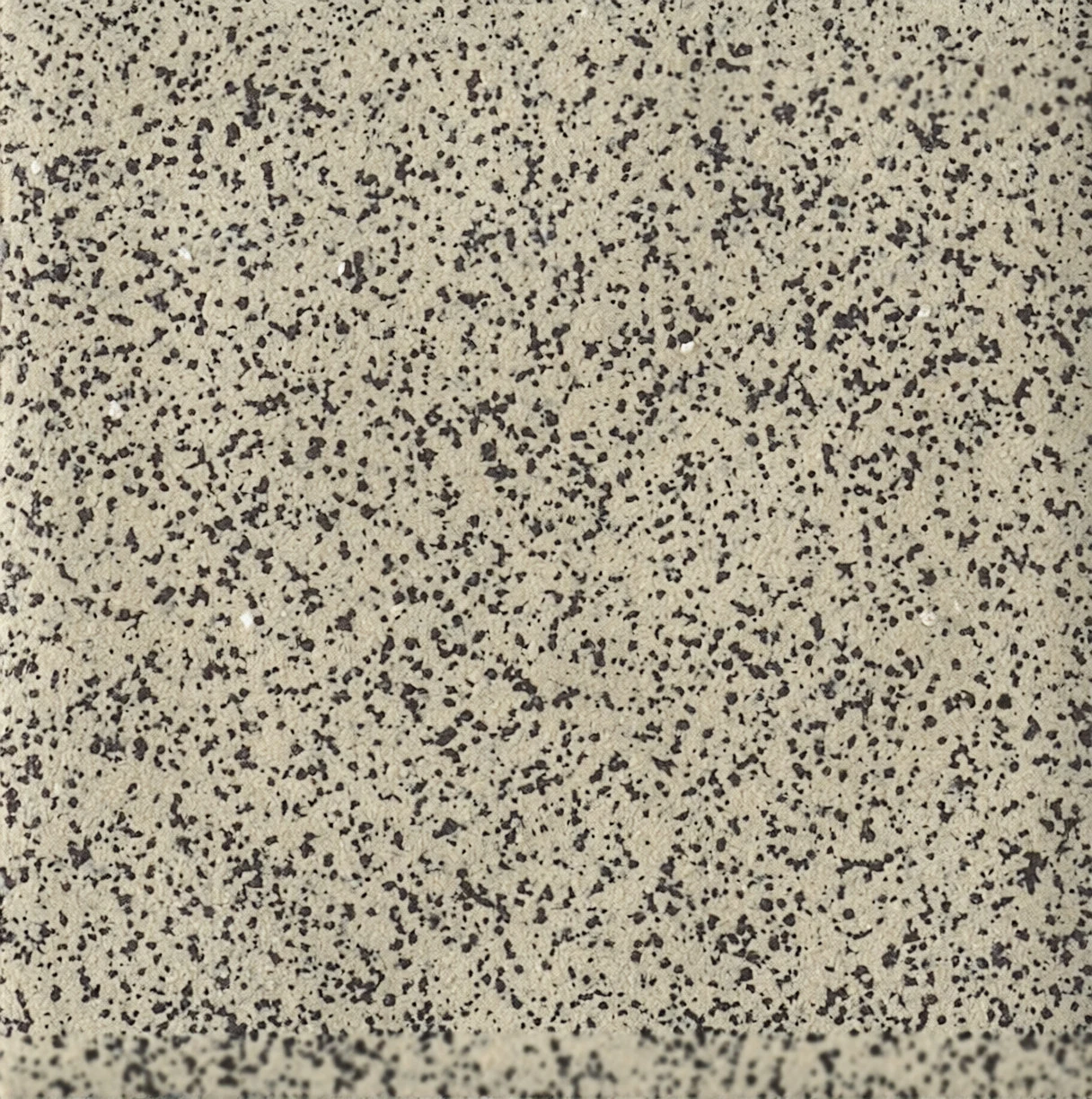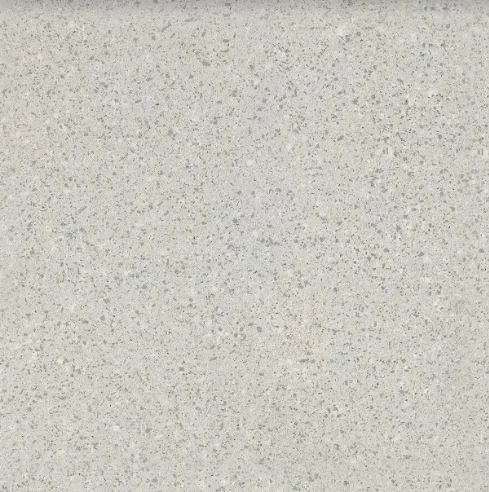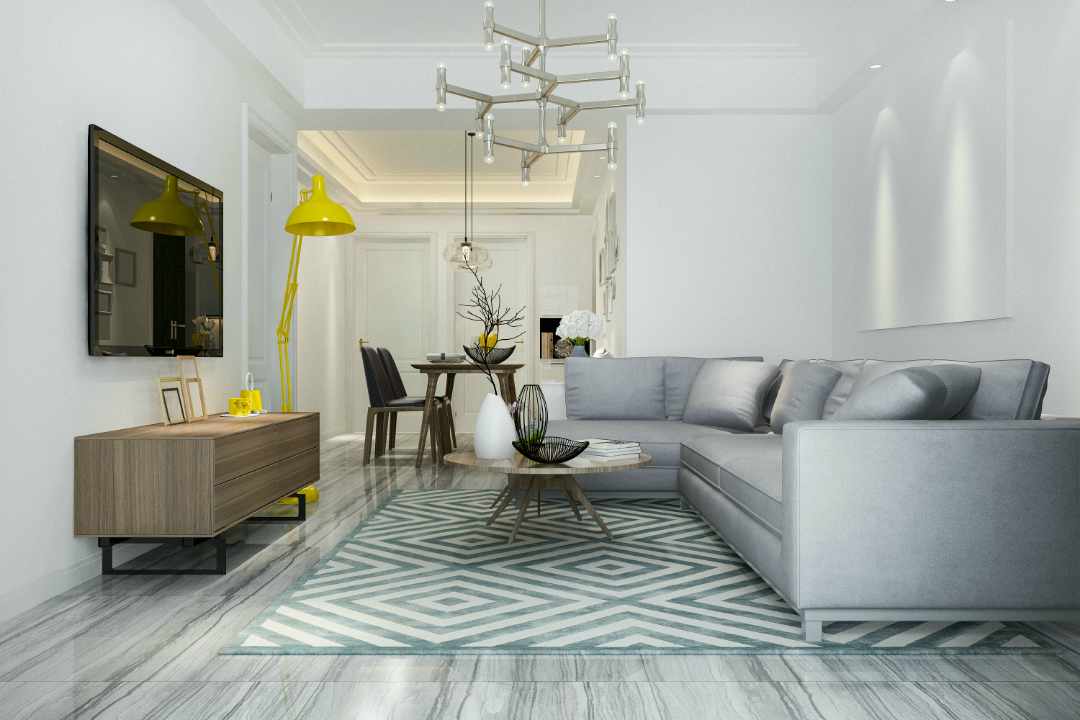
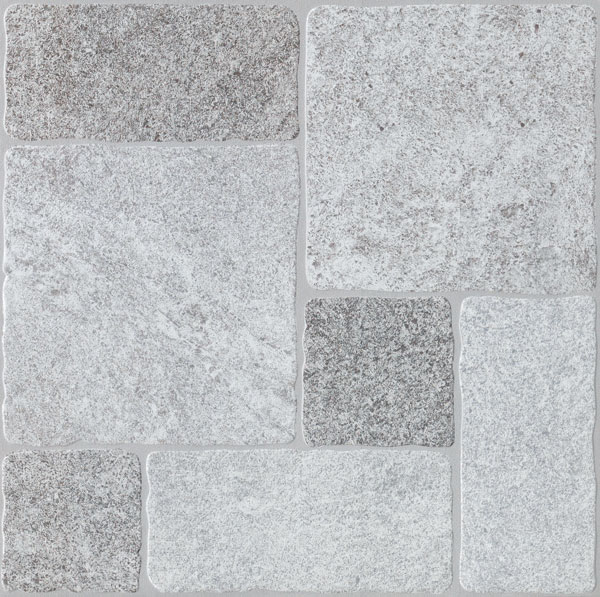
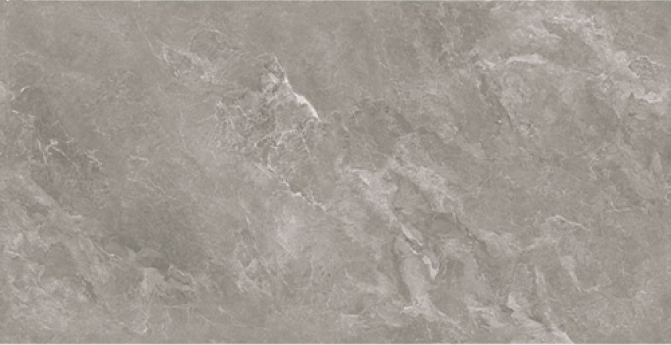
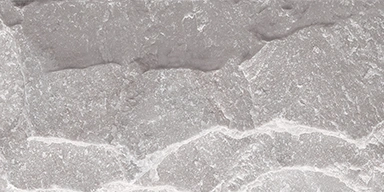



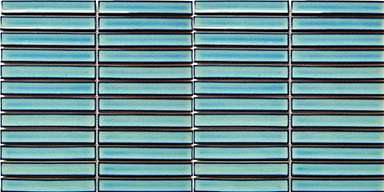
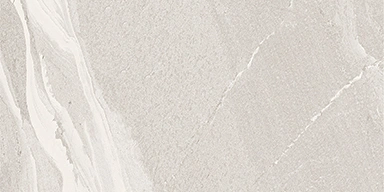
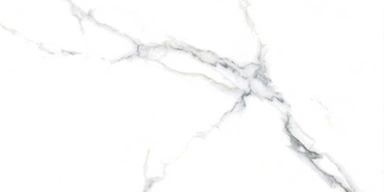
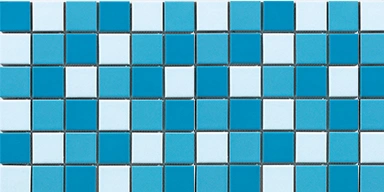
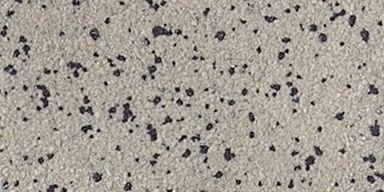
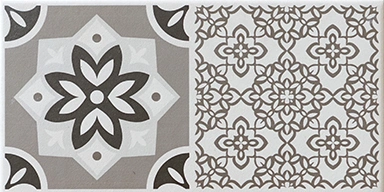

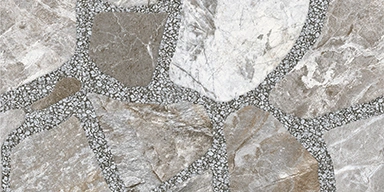

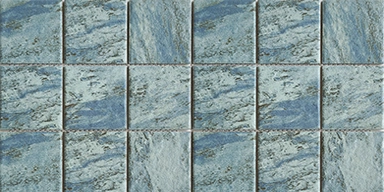


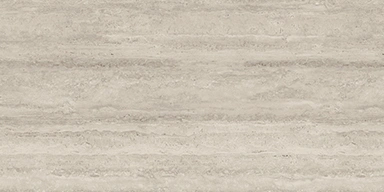
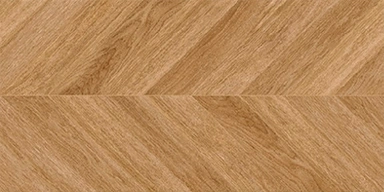




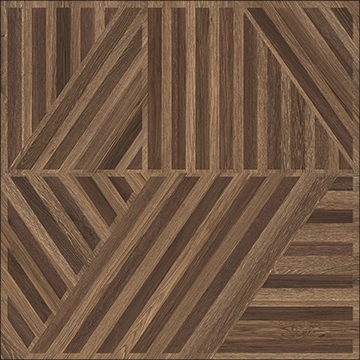




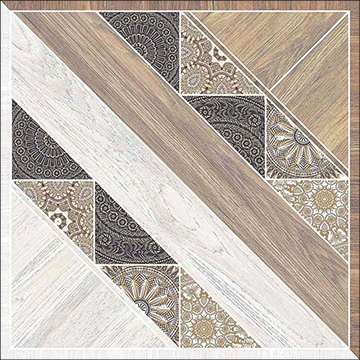
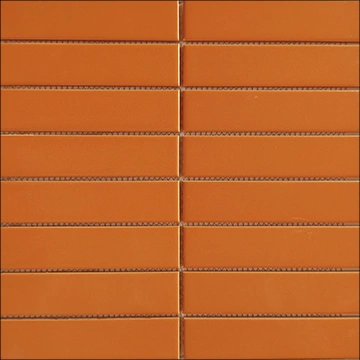


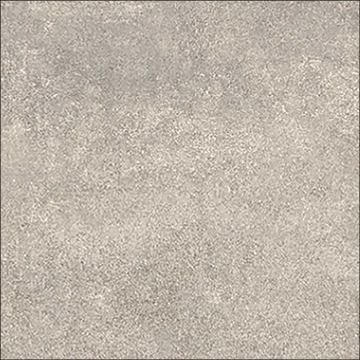
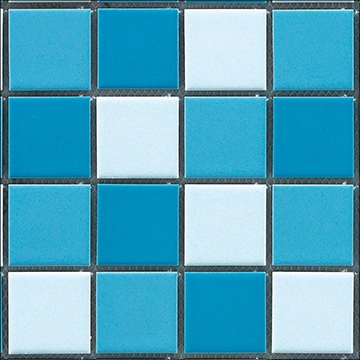

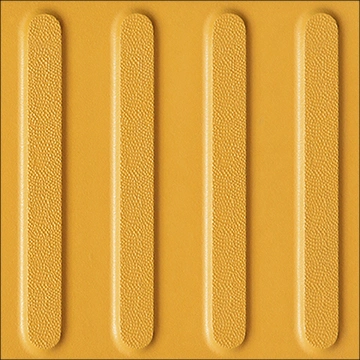

BC60 [60x120]
Large format tiles have become one of the biggest trends in modern interior and architectural design. Known for their sleek appearance and minimal grout lines, these tiles are commonly used in residential and commercial spaces to create a clean, spacious, and sophisticated look.
While large format tiles offer many advantages, they may not be the perfect solution for every project. Understanding their benefits and limitations can help homeowners and designers make informed decisions before starting a renovation or construction project.
Here's a closer look at the pros and cons of large format tiles.

66DE [90X180]
Large format tiles generally refer to tiles that are significantly larger than standard sizes. While definitions may vary, tiles measuring 60×120 cm, 80×80 cm, 90×180 cm, or larger are commonly considered large format.
These tiles are available in various finishes, colors, and designs, including marble, stone, concrete, and wood-inspired looks, making them suitable for a wide range of interior styles.

831E [90X180]
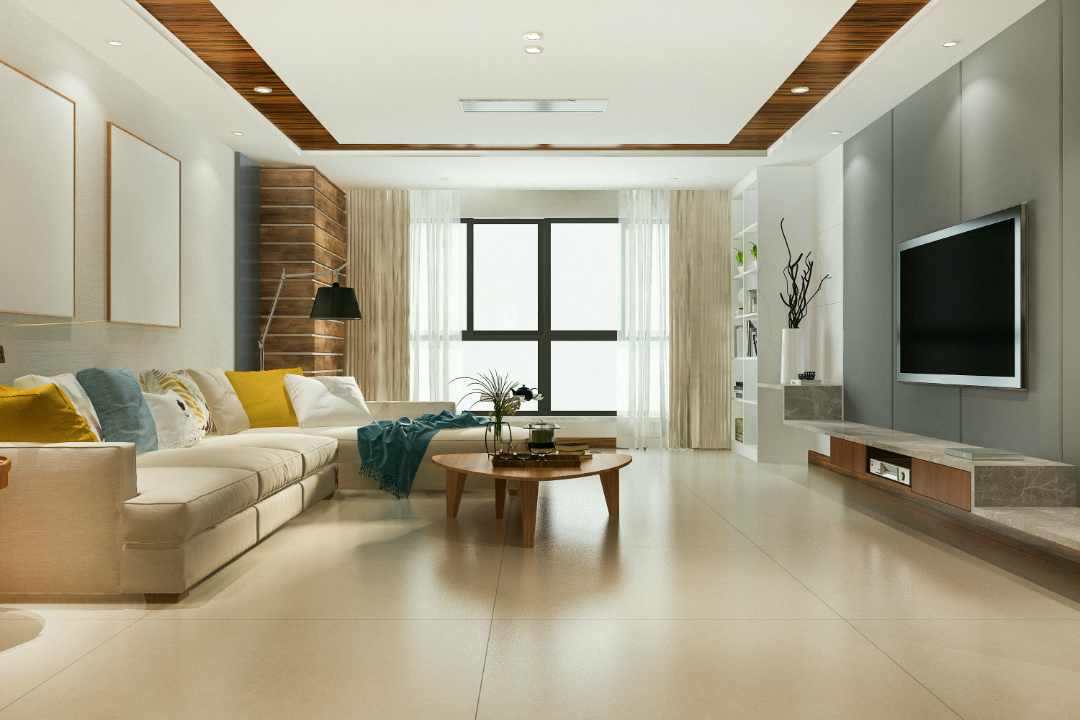
One of the biggest advantages of large format tiles is their ability to make a room appear larger and more open.
Because fewer tiles are needed to cover the same area, there are fewer grout lines, creating a seamless and continuous surface. This clean aesthetic is especially popular in modern and minimalist homes.
Large format tiles can make both small and large spaces feel more elegant and visually expansive.

01BG [90x180]
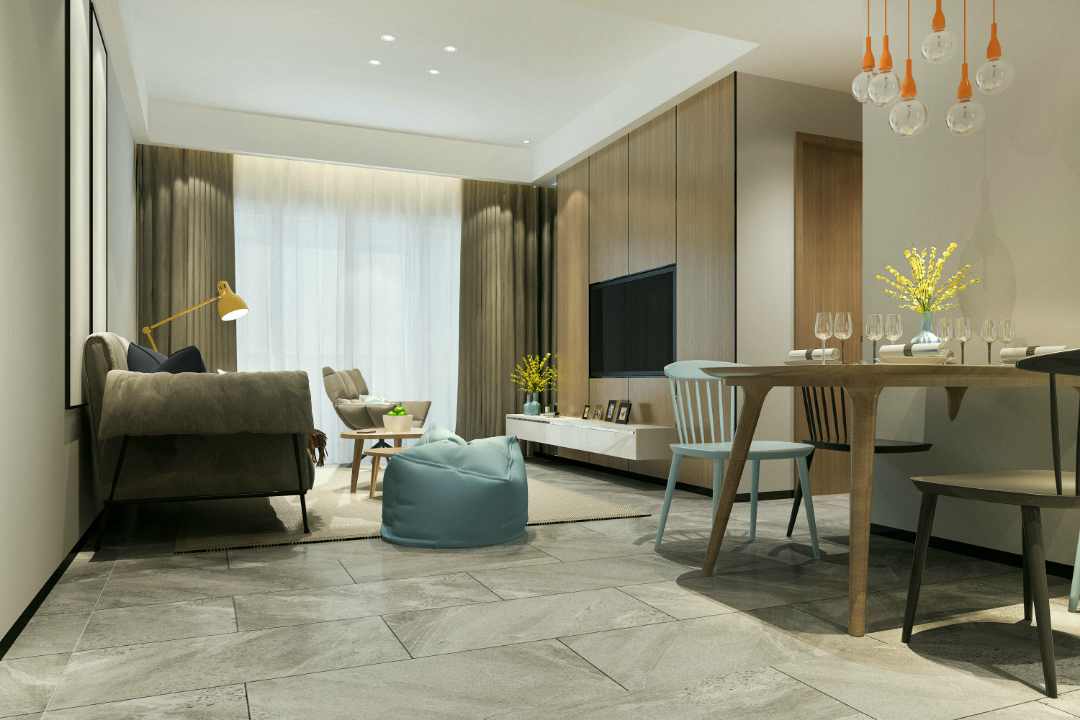
With fewer grout joints, large format tiles create a smoother appearance while also making cleaning and maintenance easier.
Since grout is often where dirt and moisture accumulate, reducing the number of grout lines helps simplify routine cleaning and contributes to a cleaner-looking surface.
This makes large format tiles a practical choice for kitchens, living areas, and bathrooms.

FMW10103M [75x150]
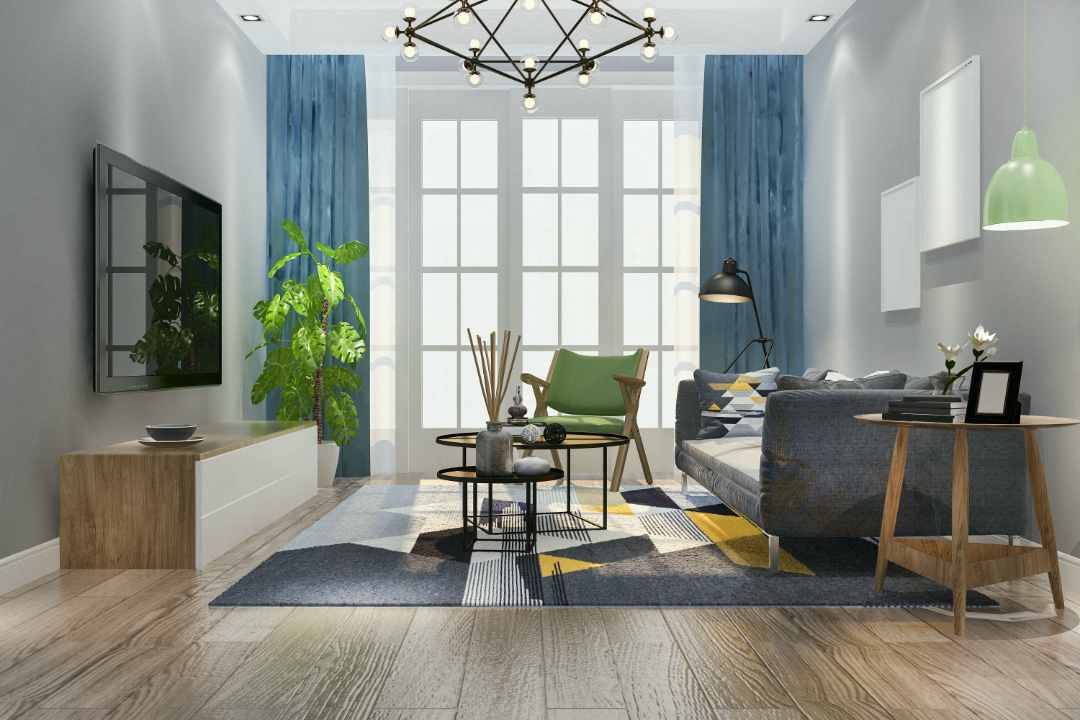
Large format tiles are available in a wide variety of styles, textures, and finishes.
Whether you prefer the luxurious appearance of marble, the warmth of wood, or the industrial look of concrete, large format tiles can achieve the desired aesthetic while offering the durability of porcelain or ceramic.
Their versatility allows them to complement both contemporary and classic interior designs.

FEG10136M [60x120]
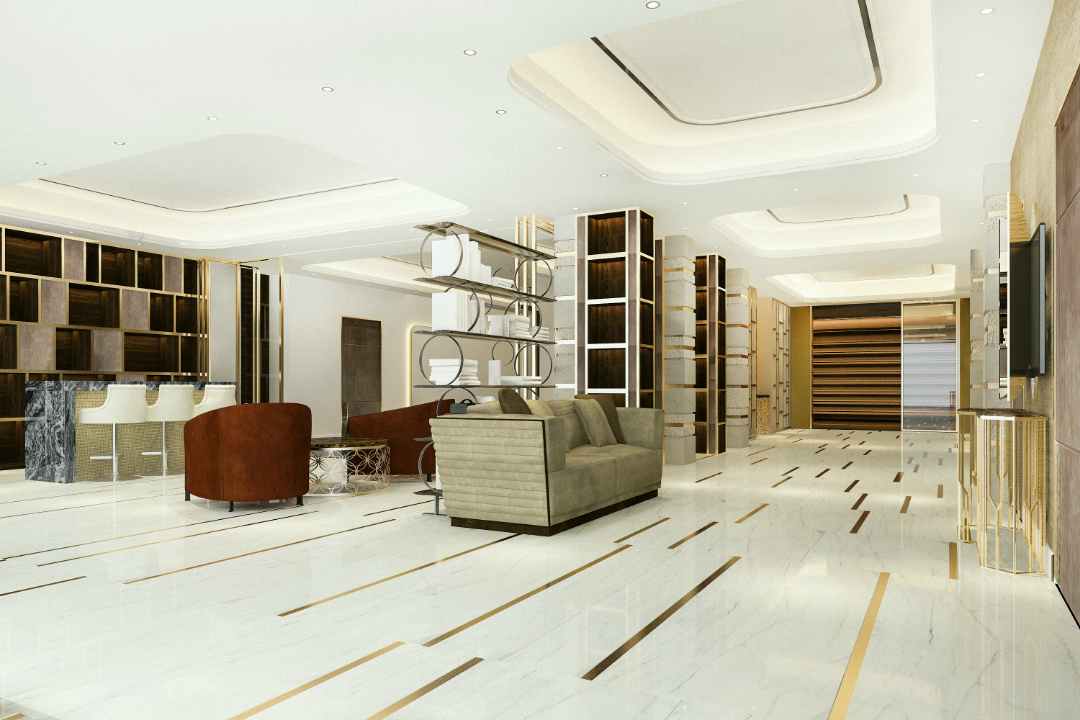
Large format tiles are not limited to flooring.
They are also widely used for feature walls, bathroom walls, kitchen backsplashes, fireplace surrounds, and commercial spaces. Using the same tile across floors and walls can create a cohesive and visually striking design.
This flexibility makes them a popular choice among architects and interior designers.

61620 [60x120]
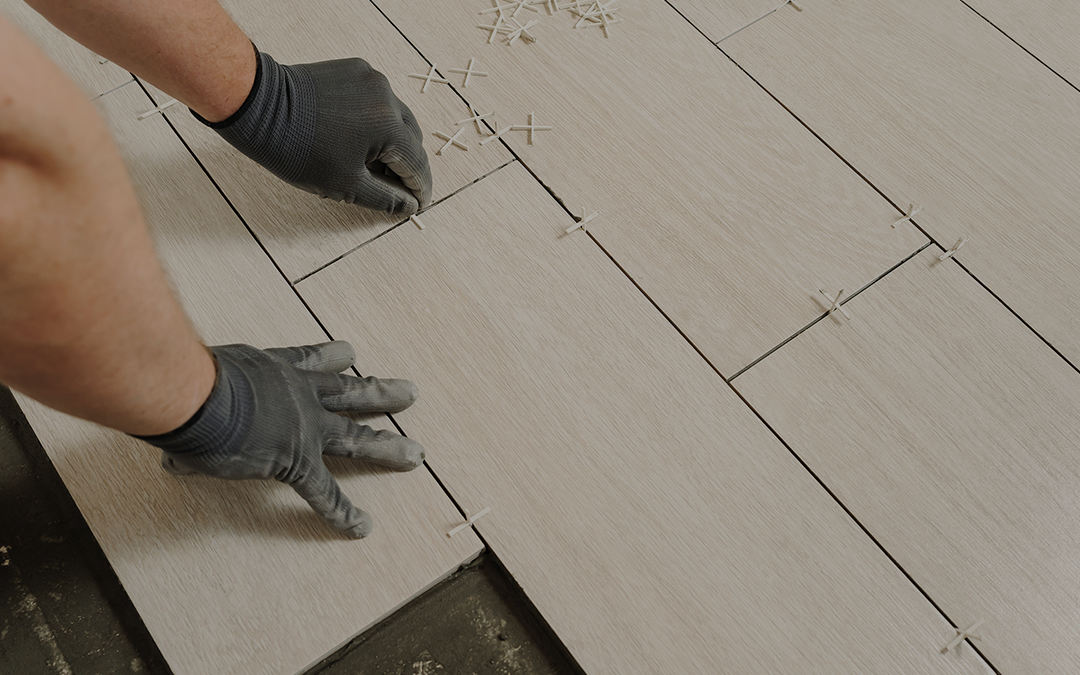
Due to their size and weight, large format tiles require careful handling and precise installation.
Proper surface preparation is essential because uneven subfloors or walls can affect the final result. Professional installation is often recommended to ensure correct alignment and minimize issues such as lippage or uneven tile edges.
While installation may require more expertise, proper workmanship helps achieve the clean and seamless finish that large format tiles are known for.

26700M [60x120]
Unlike smaller tiles, large format tiles can be more difficult to cut and shape.
Installers typically use specialized cutting equipment to achieve accurate cuts around corners, fixtures, and edges. This may increase installation time, particularly for projects with complex layouts.
Choosing experienced tile installers can help ensure clean and precise results.

FMW10102M [75x150]
Large format tiles can sometimes involve higher upfront costs compared to standard-sized tiles.
In addition to the tile itself, installation may require specialized tools, additional labor, and skilled installers familiar with handling larger materials.
However, many homeowners consider these costs worthwhile because of the premium appearance and long-term durability that large format tiles provide.

7003 [75x150]
Although large format tiles work beautifully in many areas, they may not always be the best option for every application.
Very small rooms with multiple corners, tight spaces, or numerous fixtures may require additional cutting, which can increase material waste and installation complexity.
The ideal tile size should always be selected based on the room's dimensions, layout, and intended use.

01AG [90x180]
Large format tiles are an excellent choice for homeowners seeking a modern, elegant, and spacious-looking interior. They offer clean lines, fewer grout joints, and versatile design possibilities that can elevate the overall appearance of a home.
However, factors such as room size, installation requirements, and project budget should also be considered before making a final decision.
Consulting with tile professionals can help determine whether large format tiles are the best fit for your specific space.
Large format tiles offer an ideal combination of style, functionality, and durability. Their seamless appearance, easy maintenance, and wide range of design options make them a popular choice for modern homes and commercial spaces.
While they may require more careful installation and a higher initial investment, the long-term aesthetic and practical benefits often make them a worthwhile addition to any renovation or building project.


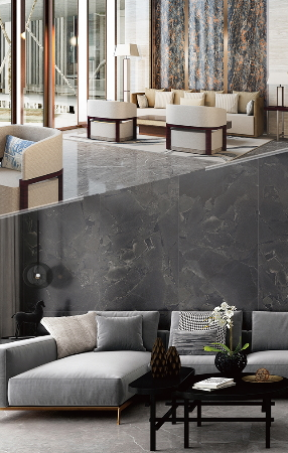


Discover a world of tile inspiration and design possibilities.
From stunning tile patterns and color combinations to innovative tile applications.
Dive into our blogs to explore the latest trends, practical tips for tile selection and
maintenance, and real-life tile transformations.